

Key Takeaways
- Proper reptile lights are essential for digestion, bone strength, immunity, and natural behavior.
- Reptile heat lamps help regulate body temperature and prevent metabolic disorders.
- Choosing the right heat lamp for reptiles supports appetite, growth, and energy levels.
- High-quality pet heat lamps reduce stress and create a stable habitat environment.
- The correct reptile heat light setup mimics natural sunlight and improves long-term health.
Introduction
Many reptile owners focus on food and habitat décor, but lighting is often underestimated. In reality, reptile lights are one of the most important components of reptile care. Without proper lighting and heat, even a perfectly designed enclosure can become a health risk.
Reptiles rely on external heat and light sources to regulate their bodies, digest food, and maintain strong bones. Using the wrong reptile heat lamps or an ineffective heat lamp for reptiles can lead to lethargy, poor appetite, weak immunity, and serious health issues. This guide explains why lighting matters so much and how the right reptile heat light setup can transform your pet’s health.
How Reptile Lights Support Vital Body Functions?
1. Temperature Regulation and Metabolism
Reptiles are ectothermic, meaning they depend on external heat to function. Proper reptile lights create a temperature gradient that allows reptiles to move between warm and cool areas as needed.
A reliable reptile heat light supports:
- Healthy metabolism
- Efficient digestion
- Normal movement and activity levels
Without proper reptile heat lamps, reptiles may struggle to process food, leading to weight loss and digestive problems.
2. Bone Health and Calcium Absorption
One of the most important benefits of reptile lights is their role in calcium metabolism. UVB-producing lights help reptiles synthesize vitamin D₃, which allows calcium absorption.
When lighting is inadequate:
- Bones weaken
- Deformities can develop
- The risk of metabolic bone disease increases
Using the right pet heat lamps and UVB lights together creates a balanced and safe environment.
3. Appetite, Behavior, and Mental Health
Lighting affects more than just physical health. Proper reptile heat lamps help regulate circadian rhythms, influencing sleep, appetite, and activity patterns.
A well-designed heat lamp for reptiles encourages:
- Regular feeding behavior
- Natural basking habits
- Reduced stress and aggression
Poor lighting can lead to inactivity, refusal to eat, and abnormal behaviors.
Types of Reptile Lights You Should Know
Reptile Heat Lamps
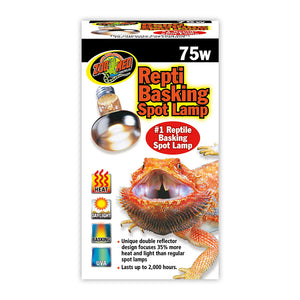
These lamps provide concentrated warmth and are ideal for creating basking spots. Reptile heat lamps are essential for species that require higher basking temperatures, such as lizards and turtles.
Pet Heat Lamps
Designed for consistent performance, pet heat lamps are safe, durable, and suitable for long-term use in reptile enclosures. They often work alongside UVB lights to maintain balanced conditions.
Reptile Heat Light Options
A reptile heat light can be ceramic, infrared, or incandescent, depending on the needs of the species. Each type serves a specific purpose, from daytime basking to nighttime warmth.
Choosing the Right Heat Lamp for Reptiles
Selecting the correct heat lamp for reptiles depends on:
- Species-specific temperature requirements
- Enclosure size and ventilation
- Day and night temperature differences
- Safe distance between lamp and basking area
Using incorrect wattage or placement can cause burns or uneven heating, so careful setup is essential.
Common Lighting Mistakes to Avoid
- Using household bulbs instead of proper reptile lights
- Relying only on heat without UVB support
- Placing reptile heat lamps too close to the enclosure
- Failing to replace bulbs regularly as UV output fades
Avoiding these mistakes helps ensure your reptile heat light remains effective and safe.
Maintaining an Ideal Lighting Schedule
Reptiles thrive on routine. Most species require 10 – 12 hours of light per day to mimic natural daylight cycles.
Timers paired with reptile lights and pet heat lamps:
- Maintain consistent schedules
- Reduce stress
- Improve feeding and activity patterns
Consistency is key to long-term health.
Conclusion
Lighting is not optional in reptile care, it’s essential. Proper reptile lights, reliable reptile heat lamps, and a correctly placed heat lamp for reptiles directly influence digestion, bone strength, behavior, and immunity. When combined with quality pet heat lamps and maintained correctly, a well-balanced reptile heat light setup creates a safe and thriving environment.
By investing in proper lighting today, you’re protecting your reptile’s health for years to come.
FAQs
1. Why are reptile lights necessary even in warm climates?
Even in warm environments, reptile lights provide controlled heat and UV exposure that natural room temperatures cannot replicate.
2. How often should reptile heat lamps be replaced?
Most reptile heat lamps should be replaced every 6 – 12 months, as heat and UV output diminish over time.
3. Can pet heat lamps replace sunlight for reptiles?
Yes, high-quality pet heat lamps and UVB lights effectively mimic sunlight when used correctly.
4. Is one heat lamp for reptiles enough for the entire enclosure?
Usually no. A proper heat lamp for reptiles should create a basking zone while cooler areas remain available.
5. What happens if a reptile heat light is too strong?
An overly powerful reptile heat light can cause dehydration, burns, and stress, which is why proper wattage and placement are crucial.