

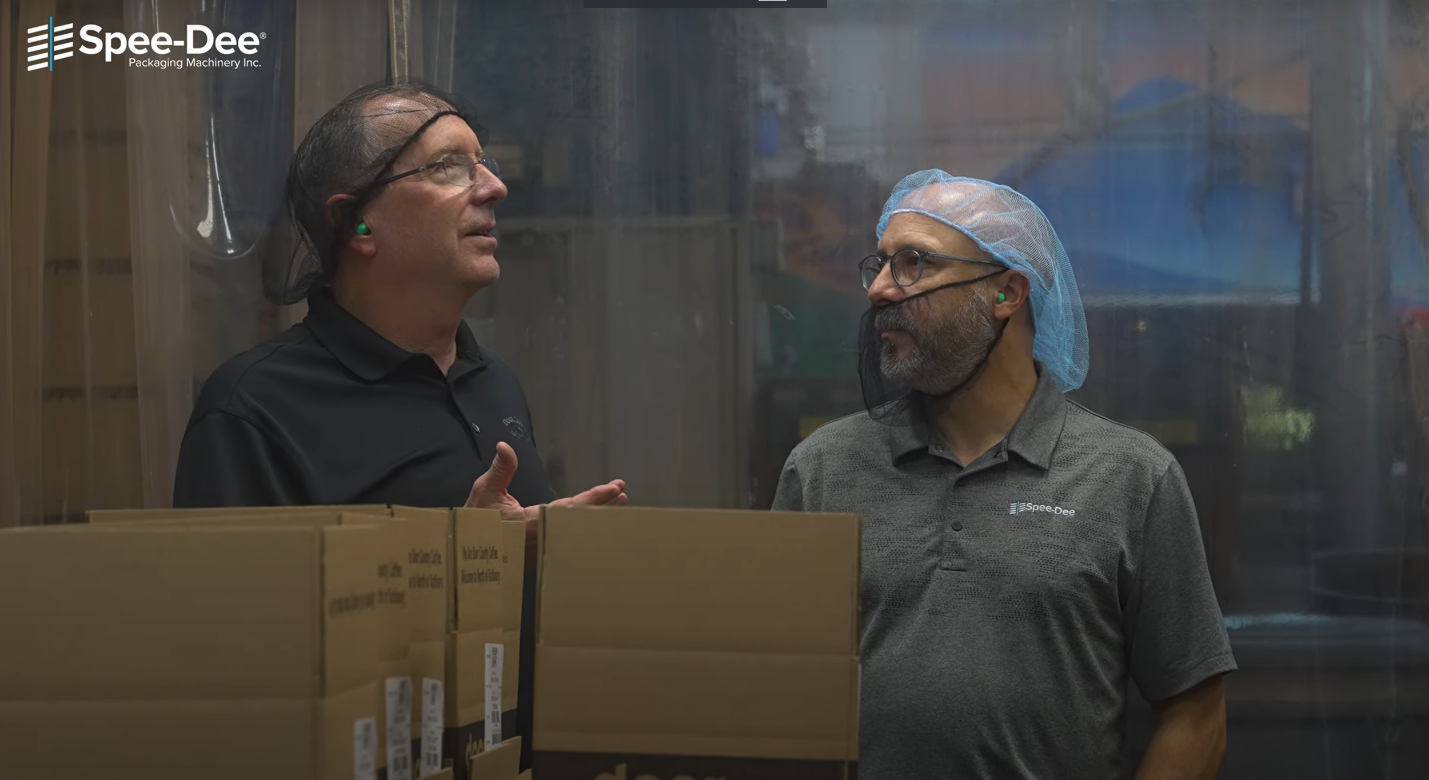
A factory floor once lost hours due to inconsistent fills, small errors adding up fast. That moment explains why auger filling technology matters today. Precision affects profit. This article explores how auger-based filling systems support accuracy, speed, and scalability in modern packaging environments, focusing on flexibility versus automation and why choosing the right system truly matters. Short truth.
Precision Filling In Modern Production
Accuracy drives trust in packaged products, especially in powder and granule handling. Auger filling systems emerged to solve weight inconsistency, spillage, and rework issues. These machines rely on controlled screw mechanisms that dispense material uniformly. Production managers value them because consistency improves compliance and reduces waste. It matters. This technology quietly supports efficiency across food, pharmaceutical, and industrial packaging lines worldwide.
Manual Control With Mechanical Support
Operations needing flexibility often prefer semi-automatic auger fillers because they balance human control with mechanical precision. Operators initiate fills while the auger manages volume accuracy. This approach suits short runs, frequent product changes, and varied container sizes. Cost efficiency also plays a role. Simple adjustments allow fast transitions without heavy downtime. Reliable results, still hands-on. It feels practical.
Adaptability For Growing Production Lines
As demand grows, many facilities still rely on semi-automatic auger fillers for controlled scaling. These systems allow testing new products before full automation investments. Training remains simple, and maintenance is less complex. While throughput stays moderate, accuracy remains strong. That balance appeals to businesses managing multiple SKUs under tight schedules. Steady growth benefits from this adaptable approach. Calm progress.
Automation That Drives High Efficiency
High-volume environments often depend on automatic auger fillers to maintain speed without sacrificing accuracy. These systems integrate seamlessly with conveyors and packaging lines, reducing manual intervention. Sensors, PLC controls, and synchronized motion keep output consistent. Labor dependency drops significantly. Productivity rises. Automation becomes a strategic advantage when margins depend on scale and repeatability. Fast lines need it.
Consistency At Industrial Scale
In continuous operations, automatic auger fillers deliver uniform results across thousands of cycles daily. This consistency supports regulatory compliance and brand reliability. Downtime risks decrease through automated monitoring and alarms. Though setup requires planning, long-term gains outweigh complexity. Once tuned, performance remains stable. Predictability becomes the real value here. Smooth operations win trust.
Matching Technology With Application Needs
Choosing between systems depends on production goals, not trends. Batch size, material behavior, hygiene requirements, and future expansion all influence decisions. Over-automation can waste resources, while under-automation limits growth. Evaluating process flow first ensures better alignment. Smart selection avoids costly changes later. Fit matters more than features. Always does.
Conclusion
Auger filling technology continues shaping modern packaging by delivering accuracy where it counts. Whether flexibility or speed takes priority, understanding system capabilities helps align operations with demand. Controlled filling reduces waste, improves consistency, and supports scalable growth. Small mechanical choices influence large operational outcomes. Precision quietly drives success. That’s the point.