
Imagine standing at the foot of Mount Everest, the world’s highest peak, after days of trekking through breathtaking Sherpa villages and rugged Himalayan trails—then soaring back to Kathmandu in a thrilling helicopter ride, with panoramic views of snow-capped giants unfolding beneath you. The Everest Base Camp Trek with Helicopter Return, also known as the Everest Helicopter Trek, delivers this perfect mix of authentic adventure and modern convenience. It’s ideal for busy travelers who crave the iconic Everest experience without the full round-trip trek.
This premium trek shortens the classic 14-day Everest Base Camp journey to just 9–12 days by replacing the multi-day descent with a scenic helicopter flight from Gorak Shep or Lobuche back to Lukla (or directly to Kathmandu). You still hike the full ascent on foot—covering roughly 65–76 km through Sagarmatha National Park—while enjoying Sherpa hospitality, ancient monasteries, and jaw-dropping mountain vistas. Whether you call it the Everest Base Camp Trek with Helicopter Return or the Everest Helicopter Trek, it’s a bucket-list experience that balances challenge with comfort.
Why Choose the Everest Base Camp Trek with Helicopter Return?
Time is precious, and this option respects that. Traditional trekkers spend 4–5 extra days walking back down the same trail. With the helicopter return, you save energy, reduce fatigue, and gain an unforgettable aerial perspective of the Khumbu Glacier, icefalls, and peaks like Lhotse and Ama Dablam.
It’s also more accessible for those with limited vacation time or anyone wanting to minimize descent strain at high altitudes. The trek remains strenuous—reaching 5,364 m at Everest Base Camp and 5,555 m at Kala Patthar—but the return flight makes it feel luxurious without sacrificing the heart-pounding trek-in experience. Plus, it’s eco-friendlier in some ways, as fewer trekking days mean less trail wear, and operators support local Sherpa communities through responsible tourism.
Everest Base Camp Trek with Helicopter Return Cost 2026 and 2027
A Typical 10–12 Day Itinerary
Most operators offer flexible 9–12 day packages starting and ending in Kathmandu. Here’s a sample 12-day outline (adaptable to shorter luxury versions):
-
Day 1: Arrival in Kathmandu (1,400 m) – Settle into a comfortable hotel, attend a briefing, and explore the vibrant capital.
-
Day 2: Fly to Lukla (2,840 m) & Trek to Phakding (2,610 m) – A scenic 35-minute flight (or helicopter option) lands you at the world’s most exciting airport. Easy 3–4 hour downhill trek along the Dudh Koshi River.
-
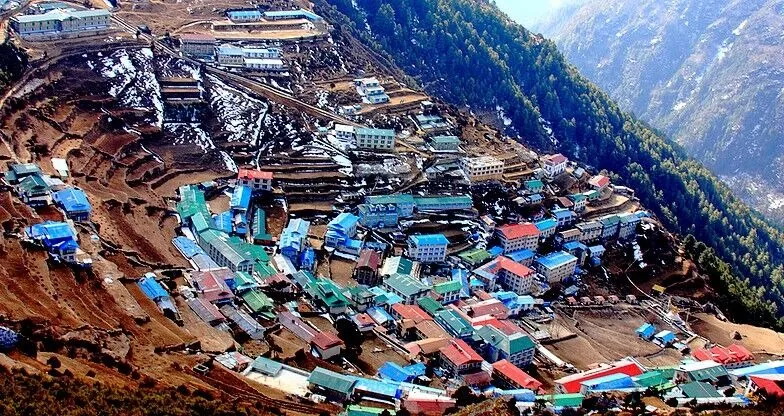
Day 3: Phakding to Namche Bazaar (3,440 m) – 5–6 hours through pine forests and suspension bridges into the “Gateway to Everest.” Enter Sagarmatha National Park.
-
Day 4: Acclimatization in Namche Bazaar – Hike to Everest View Hotel for your first clear Everest sighting. Visit the Sherpa museum and enjoy local bakeries.
-
Day 5: Namche to Tengboche (3,860 m) – 5–6 hours past rhododendron forests to the famous Tengboche Monastery.
-
Day 6: Tengboche to Dingboche (4,410 m) – 5–6 hours with stunning Ama Dablam views.
-
Day 7: Acclimatization in Dingboche – Optional hike to Nangkartsang Peak (5,083 m) for better adaptation.
-
Day 8: Dingboche to Lobuche (4,910 m) – 5–6 hours along the Khumbu Glacier moraine.
-
Day 9: Lobuche to Gorak Shep (5,140 m), Everest Base Camp (5,364 m), & back – 7–8 hours round-trip to the iconic base camp beneath the Khumbu Icefall.
-
Day 10: Gorak Shep to Kala Patthar (5,555 m) & Helicopter Return – Pre-dawn 2–3 hour climb for the best sunrise views of Everest, then board your shared helicopter for a 15–45 minute flight back to Lukla or Kathmandu. Pure magic!
-
Days 11–12: Kathmandu – Buffer for weather delays and relaxation before your international departure.
Daily trekking is 5–8 hours with rest days built in for safe acclimatization.
Unforgettable Highlights of the Everest Helicopter Trek
-
Everest Close-Up: Stand at Base Camp and gaze at the world’s tallest mountain.
-
Kala Patthar Sunrise: The ultimate photo op with 360° Himalayan panoramas.
-
Sherpa Culture: Warm hospitality, prayer wheels, and monasteries like Tengboche.
-
Helicopter Flight: Bird’s-eye views of glaciers and peaks that few ever see this way.
-
Biodiversity: Sagarmatha National Park’s wildlife and rhododendron blooms in spring.
Best Time to Go
Spring (March–May) and autumn (September–November) are ideal. Clear skies, stable weather, and mild daytime temperatures (10–20°C) make trekking and flying safer and more scenic. Avoid monsoon (June–August) for rain and winter (December–February) for extreme cold unless you’re highly experienced.
Preparation and Fitness Tips
No technical climbing skills are needed, but good cardiovascular fitness is essential. Train with hikes, cardio, and strength work 2–3 months ahead. Acclimatization is key—follow the itinerary’s rest days and drink 3–4 liters of water daily. Watch for altitude sickness symptoms (headache, nausea); your guide carries oxygen and a pulse oximeter.
Packing essentials: Layered clothing, waterproof jacket/trousers, sturdy trekking boots, down jacket, sleeping bag (rentable), trekking poles, sunglasses, sunscreen, headlamp, water purification tablets, and high-energy snacks. Limit Lukla flight luggage to 15 kg.
Travel insurance covering high-altitude trekking (up to 6,000 m) and helicopter evacuation is mandatory.
Cost of the Everest Base Camp Trek with Helicopter Return
Expect US$2,000–$2,850 per person (2026/2027 rates), depending on group size and inclusions. Smaller groups cost more; larger ones get discounts. Packages typically cover Kathmandu hotel, teahouse stays, all meals on trek, flights/helicopter, guide, porter, permits, and medical kit. Extras like international flights, visa, tips, and personal beverages are separate. Luxury upgrades (private helicopter, better lodges) push costs higher.
Conclusion
The Everest Base Camp Trek with Helicopter Return (or Everest Helicopter Trek) is more than a vacation—it’s a transformative journey blending raw Himalayan adventure with smart, time-saving luxury. You’ll return home with stories of towering peaks, warm Sherpa smiles, and that unforgettable helicopter ride over the roof of the world. Book with a reputable operator, prepare well, and get ready for the trip of a lifetime.
Ready to make it happen? Reach out to trusted Nepali trekking companies for customized dates and group departures.
FAQ: Everest Base Camp Trek with Helicopter Return / Everest Helicopter Trek
1. How difficult is the Everest Helicopter Trek?
It’s strenuous due to altitude and daily hikes, but the helicopter return reduces overall physical demand. Good fitness and acclimatization make it achievable for most healthy adults.
2. What is the cost for 2026/2027?
Typically US$2,000–$2,850 per person in a small group, including most services. Solo supplements apply.
3. Do I need prior trekking experience?
No, but regular hiking fitness helps. Guides ensure safety for first-timers.
4. What about altitude sickness?
Acclimatization days, hydration, and slow pacing minimize risks. Guides monitor you closely.
5. Is the helicopter flight weather-dependent?
Yes—flights run in clear conditions during peak seasons. Buffer days are recommended.
6. What permits are required?
Sagarmatha National Park permit, TIMS card, and local municipality fees (all included in packages).
7. Can I customize the trip?
Absolutely—add extra nights in Kathmandu, upgrade to private helicopter, or combine with other Nepal adventures.