

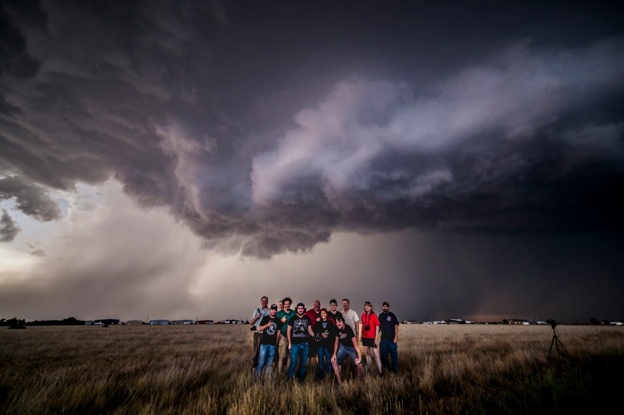
Planning twister chasing trips takes a lot more than just picking a destination and hitting book. Timing plays a huge role in what kind of weather you’ll actually run into. Storm activity shifts throughout the season, and pros adjust their routes based on what’s actually happening in the sky, not some fixed plan set months in advance.
Getting a feel for how storm season progresses helps you pick the best window for your trip, and honestly, keeps your expectations realistic about what you might actually see.
Why Timing Matters
Unlike most vacations you can book anytime, storm chasing is tied tight to the seasons. The busiest stretch usually runs late spring into early summer, when warm, moist air meets cooler, drier air across the central US. That collision is what sets the stage for powerful thunderstorms. And since the atmosphere never behaves quite the same way twice, staying flexible is honestly baked into every part of the trip.
How the Storm Season Progresses
Storm activity doesn’t just sit still in one spot all season; it moves. Early on, storms tend to fire up across parts of Texas. As spring rolls forward, Oklahoma and Kansas usually start seeing more action, and later in the season, Nebraska and South Dakota can offer some of the best chasing around. That northward shift is basically why Twister Tours USA end up covering multiple states instead of sticking to one fixed route.
Weather Conditions Change Every Day
No two chase days ever look alike, honestly. A forecast that looked promising that morning can flip completely by afternoon. Storms might strengthen, fizzle out, or pop up somewhere totally different from expected. Guides are constantly checking updated forecasts, radar, and current conditions before deciding whether to stick with the plan or shift toward something new.
That kind of flexibility is really what defines successful storm chasing.
Choosing the Right Tour Length
How long your trip runs actually shapes the whole experience. Shorter tours work well if your vacation time’s tight, while longer ones give you more shots at catching good weather across different regions. Nobody can promise a tornado sighting, sure, but more days on the road generally means better odds of seeing impressive storm structures somewhere along the way.
Pack for Changing Conditions
Spring weather across the Plains flips fast. Sunny skies in the morning can turn into heavy rain or a sudden temperature drop by afternoon. Packing clothes that can handle all of that keeps you comfortable no matter what the day throws at you. Comfortable shoes, light rain gear, sun protection and a fully charged camera are all worth having on hand. Get this stuff sorted early, and you can just focus on the trip instead of scrambling for a jacket.
Expect More Than Tornadoes
A lot of first-timers book twister chasing trips, hoping specifically for a tornado. Exciting when it happens, sure, but honestly just one part of a much bigger picture.
Depending on the day, you might also catch:
- Massive supercell thunderstorms
- Rotating wall clouds
- Shelf clouds
- Lightning displays
- Mammatus formations
- Rainbows following storms
- Expansive prairie landscapes
These end up being some of the real highlights people remember most.
Flexibility Is Part of the Adventure
One of the biggest differences between this and a normal vacation is that there’s no fixed schedule to follow. Instead of a predetermined route, guides make calls based on what’s happening right now, weather-wise. That means plans shift day to day, but every shift is made with one goal: giving you the safest, most rewarding shot at watching a storm. Travelers who go in ready to roll with that flexibility usually end up enjoying the trip the most.
Making the Most of Your Journey
A great storm chasing trip isn’t measured by tornado count alone. Learning how severe weather actually works, exploring the Great Plains, meeting other people who love this stuff, watching a storm build in real time, all of that adds up to something worth remembering. Go in curious instead of fixated on one specific outcome, and you’ll walk away with a lot more.
Final Thoughts
Careful planning is honestly one of the most important parts of putting together a memorable twister chasing trip. Picking the right season, understanding how weather shifts, and traveling with people who genuinely know what they’re doing all of it adds up to a better trip. Whether this is your first time joining Twister Tours USA or you’re coming back for round two, every storm season brings new scenery, new weather, and new chances to watch nature show off exactly what it can do.