
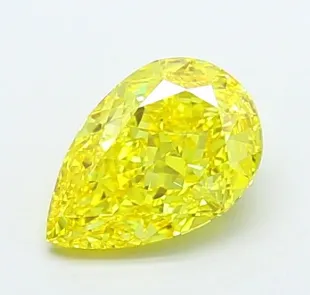
Coloured diamonds have the ability to shift a piece of jewellery from traditional to highly personal. A pink stone can soften a classic design, a blue diamond can create a cooler contemporary mood, and a yellow or champagne tone can add warmth without feeling overly formal. Because colour changes the visual balance of a piece, it should be considered alongside shape, setting, metal and scale. Those exploring coloured diamonds by Lily Arkwright can use these elements to build jewellery that feels distinctive while remaining coherent and wearable. The strongest designs do not rely on colour alone; they use it deliberately to support the style of the finished piece.
Coloured Diamonds in Engagement Ring Designs
Engagement rings offer one of the clearest opportunities to make a coloured diamond the focal point. A solitaire setting keeps the design clean and allows the stone’s hue to define the ring’s character. This approach works especially well for vivid colours because there are fewer surrounding details competing for attention.
Halo settings create a more decorative look. A border of colourless diamonds can make a pink, blue or yellow centre stone appear more saturated through contrast. Three-stone rings offer another option, particularly when the side stones are chosen to frame rather than overpower the centre. Tapered baguettes, for example, can give a coloured diamond a refined, architectural finish.
Shape also influences the overall impression. Oval and pear cuts feel romantic and elegant, while radiant and cushion cuts can intensify colour through their faceting. Emerald cuts create a more restrained, geometric style, although their broad facets may display colour in a calmer, less glittering way.
Everyday Rings and Stackable Jewellery
Coloured lab-grown diamonds do not need to be reserved for statement engagement rings. Smaller stones can work beautifully in everyday bands, signet-inspired rings and stackable designs.
A fine band set with alternating coloured and colourless diamonds can introduce individuality without dominating the hand. Bezel settings are particularly practical for daily wear because the metal surrounds the stone, creating a smooth profile and additional protection. This can suit someone who works with their hands or prefers jewellery that does not catch easily on clothing.
Stacking also allows colour to be added gradually. A slim pink or blue diamond band can sit beside a plain gold ring, a wedding band or another gemstone piece. The result feels considered rather than matched too precisely. For a balanced stack, it is often better to vary texture and width while repeating one element, such as metal colour or stone shape.
Earrings and Necklaces with Coloured Diamonds
In earrings, coloured diamonds can be either subtle accents or the main visual feature. Studs offer a straightforward way to wear colour close to the face, where the shade can complement skin tone, hair colour and everyday clothing. Pale pink and champagne stones tend to create a softer effect, while vivid blue or yellow diamonds provide stronger contrast.
Drop earrings allow more movement and can combine coloured centre stones with colourless diamond details. The scale should remain proportionate, particularly if the design is intended for frequent wear rather than occasional events.
Necklaces offer similar flexibility. A single coloured diamond pendant feels minimal and modern, especially in a bezel or delicate claw setting. Cluster and halo designs create more sparkle and visual spread. Chain length also changes the effect: shorter styles sit closer to the face, while longer pendants feel more relaxed and layer easily with other necklaces.
Metal Choice and Colour Coordination
Metal is one of the most influential design decisions because it changes how the diamond’s colour is perceived. Platinum and white gold provide a cool, neutral frame that can sharpen blue, pink and pastel tones. Yellow gold enriches yellow, champagne and orange diamonds, while also creating bold contrast with blue stones.
Rose gold naturally complements pink and peach diamonds, producing a harmonious appearance. However, contrast may be preferable when the aim is to make the stone stand out. A two-tone design can solve this by using a white-metal setting around the diamond and a warmer metal for the band or chain.
The wearer’s existing jewellery should also be considered. Matching every piece is unnecessary, but repeating a familiar metal tone can help a coloured diamond design integrate naturally into an established collection.
Final Thought
Coloured lab-grown diamonds can work across engagement rings, everyday bands, earrings and necklaces, provided the design supports the character of the stone. Setting style controls prominence, shape influences mood, and metal determines whether the colour appears harmonious or contrasting. By considering how each detail interacts, it is possible to create jewellery that feels expressive, elegant and practical rather than simply unconventional.